- Trouble for drinking and irrigation water in 17 mandals
- Groundwater levels drop to 3.56 meters depth
- Likely to drop further in another 15 days
- Collector Divakara T.S. advises farmers not to cultivate paddy in Yasangi
Drought is showing its fangs in Khammam district. Difficult situations where drinking and irrigation water will not be available are looming large in 17 mandals of the district. Fodder for cattle may also not be available. Already, due to the El Nino effect, severe drought conditions have prevailed in 10 mandals and normal drought conditions in 7 mandals. While the groundwater level in the district was at a depth of about 2.5 meters around the same time last year, it has currently dropped to a depth of 3.56 meters. In Kamepalli, Errupalem, Sathupalli, and Enkoor mandals, groundwater has dropped to a depth of 5 to 10 meters. Although groundwater levels increased to some extent due to recent rains, water levels are likely to drop further in the next 15 days. Consequently, the district administration has been alerted and is preparing alternative plans to face drought conditions.
Do not cultivate paddy in Yasangi: Collector Divakara T.S
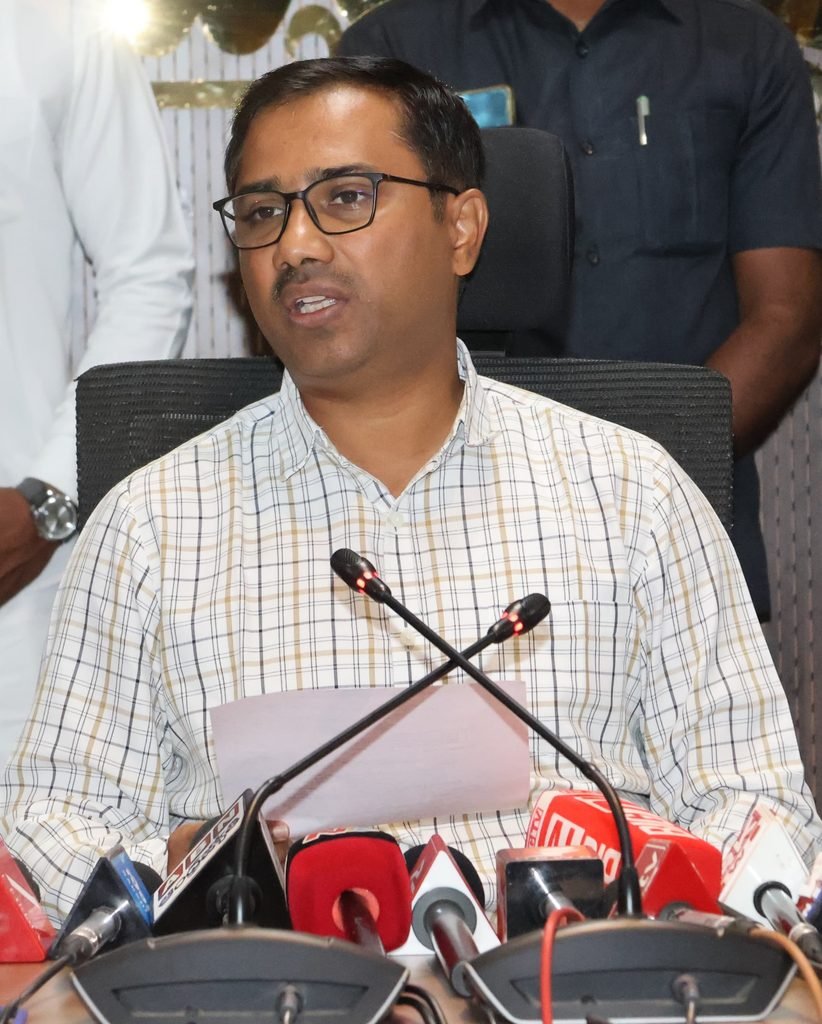
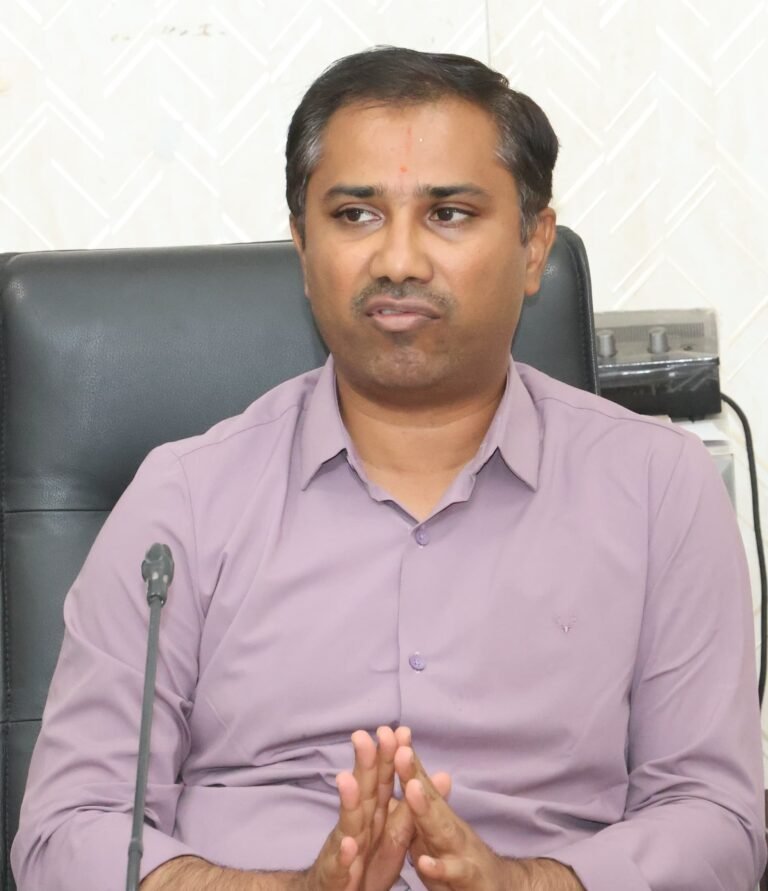
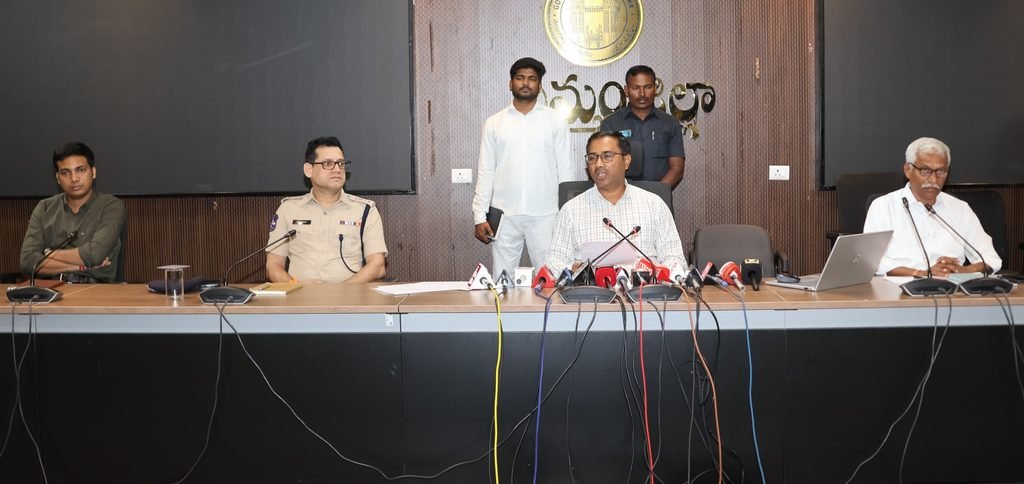
Khammam: In view of the drought conditions prevailing in the district, Collector Divakara T.S. appealed to farmers not to cultivate paddy for this Yasangi season. On Friday, at the Collectorate meeting hall, he spoke to the media about the drought conditions that have arisen in the district, alongside Khammam Police Commissioner Sunil Dutt and Additional Collector P. Srinivasa Reddy. He suggested that as an alternative to paddy cultivation, farmers should cultivate dry crops like millets and pulses. He clarified that since currently available water has to be used for drinking and cattle needs, irrigation water will not be released from projects, reservoirs, and tanks during Yasangi. He mentioned that because awareness about the El Nino effect was created in advance, the paddy cultivation area in this Kharif decreased by about 90,000 acres and cultivation of other crops increased. However, he noted that farmers who cultivated paddy relying on borewells are also currently facing difficulties due to water scarcity. Nevertheless, he stated that the district administration is making every effort to protect Kharif crops, and measures have been taken with the coordination of the police, irrigation, and agriculture departments to channel available water to needy areas.
Tanks filled through ‘Sitarama’
Collector Divakara T.S. stated that as there is an opportunity to utilize Godavari waters through the Sitarama Lift Irrigation Scheme, tanks in Sathupalli and Wyra areas have been filled to the maximum extent possible. He said that the additional water that flowed into the Palair reservoir due to the cyclone was diverted to tanks through the Bhakta Ramadasu Lift Irrigation Scheme as well as other lift irrigation schemes. He stated that the water available in the Wyra tank is sufficient for drinking water needs for about 149 days, and the water in the Palair reservoir for about 99 days.
He said that to continue drinking water supply until coming August, the Palair reservoir needs to be filled in another two to three phases. Therefore, he stated that proposals have already been sent requesting water allocations from the Nagarjuna Sagar project for drinking water needs. In this context, he advised the public to use water and electricity sparingly and to curb water wastage and power wastage. The Collector explicitly stated on this occasion that illegal water usage will not be tolerated under these circumstances. He said that water wastage through leakages and open connections in Mission Bhagiratha water supply will be curbed. He mentioned that Mission Bhagiratha connections given to vacant plots will be inspected, and action will be taken on connections that violate regulations.
7.5 lakh metric tonnes of fodder required
Collector Divakara T.S. stated that measures have been taken to provide necessary water and fodder for the district’s approximately 5 lakh cattle. While the required fodder until coming August is about 7.5 lakh metric tonnes, he said that 5 lakh metric tonnes of fodder is currently available in the district. He noted that there is a fodder shortage in 12 mandals, with a severe shortage in 7 mandals. Since the fodder shortage is likely to be felt severely after another five months, he said advance measures are being taken. He stated that dairy farmers in the deficit mandals will be identified and provided with fodder seeds, and a plan has been devised to make fodder available within two months of planting the seeds. He revealed that grass seeds will be distributed to farmers in the next 15 days.
Employment generation for the poor during drought
Collector Divakara T.S. stated that the government is ready to sanction necessary works under the MGNREGS (Employment Guarantee Scheme) to provide livelihoods to rural families during drought conditions. He noted that more works have been currently sanctioned than the employment provided during the past COVID period. He requested farmers and agricultural laborers to make good use of this opportunity. He instructed officials to set up farm ponds, soak pits, community water conservation structures, and rainwater harvesting pits on a large scale under the VB-G Ramji scheme to increase groundwater levels. He stated that works such as removing blockages, garbage, and wild bushes in water canals should be undertaken.
He stated that compared to last year, power demand increased by about 60 percent last month and by about 80 percent this month. He said that power demand is coming heavily from agriculture-related feeders, and electricity is being supplied to the maximum extent possible with available resources. He clarified that the goal is to explain the ground realities of current situations and create awareness so that precautionary measures are taken. Collector Divakara T.S. stated that the issue of loan rescheduling is a policy decision, and the state and central governments have to take a decision on it.

Anand Gantela is a senior journalist with 30 years of experience across print, TV, and digital media. Currently serving as the Editor of Ink Post, his career spans key reporting and editorial roles at Prajasakti, Andhra Bhoomi, Maa TV, Mudra and Prime Post. He writes on regional news, current affairs, and socio-political developments.